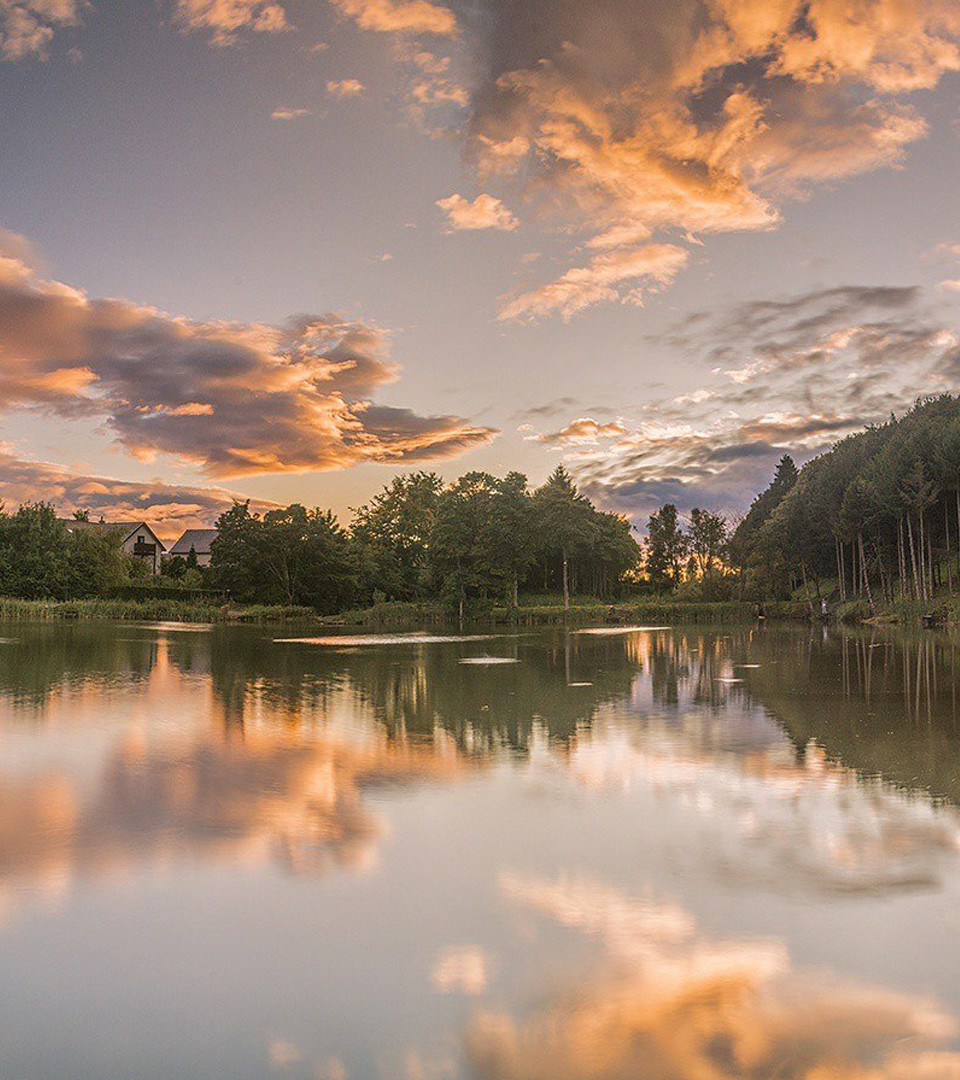



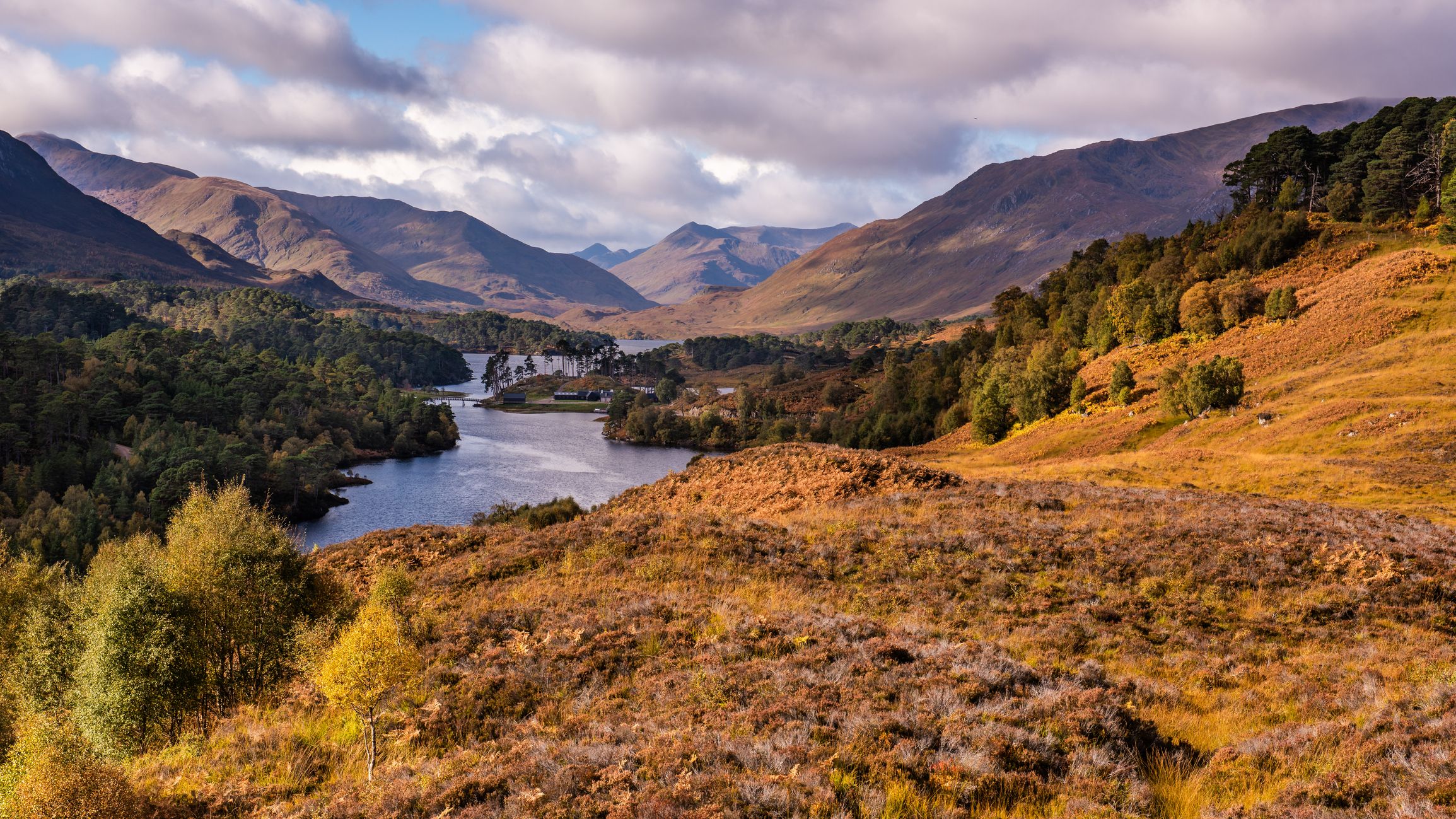
Scenic view of a lake surrounded by autumnal hills and forested mountains under a partly cloudy sky in the Scottish Highlands.

What is a Munro? And How to Climb Your First One

Scroll Scroll

The Munros in Scotland are a list of 282 mountain peaks over 3000ft (914 metres) and have been an obsessive checklist for hillwalkers since it was compiled in 1891. If you’re looking to explore the full range of Scotland’s dramatic landscape, try your hand at  ‘Munro-bagging’. That is, to climb every single one and explore Scotland’s finest scenery and far-flung locations in the process.

But where does this unique name come from? And where do you begin? Our Scottish Munro guide has everything you need to get started.


What exactly is a Munro?

As a general rule, a Munro is any Scottish mountain over 3000ft. This unique name for Scotland’s highest mountains comes from the legendary Sir Hugh Munro, who published his now-famous ‘Munros Tables’ in the Scottish Mountaineering Club’s journal.

You’ve probably heard of the tallest and the UK’s highest peak, Ben Nevis, standing at 4413ft. But there are a total of 282 Munros, a tempting ticklist for any determined hiker. In fact, it only took 10 years before the first person, Rev. A. E. Robertson, completed Sir Hugh’s extensive list to become a ‘compleater’.

If you’re keen to give ‘Munro-bagging’ a go and revel in those peak views over rugged mountains and deep, sparkling lochs, we’ve got everything you need to know in this Scottish Munro guide.


Choosing Your First Munro

In our book, the best way to explore any new location is to strike out on foot. Now you know what a Munro is, you can look forward to wandering through rugged terrain, towering mountains and breathtaking valleys. The well-loved Scottish outdoor activity has a range of Munros suitable for beginners. Here are some of our favourites.


Ben Lomond

3,195ft (974m) - Loch Lomond & The Trossachs National Park

Ben Lomond is Scotland's most southerly Munro, and for many walkers it's the first name on the list. It's a long, well-maintained tourist path that rises steadily from the shores of Loch Lomond and asks for no technical skill, just a good pair of boots and a head for the weather.

At a glance:

  • Start point: Rowardennan car park, eastern shore of Loch Lomond (paid parking, seasonal toilets on site)
  • Distance: 7.5 miles / 12km return
  • Walking time: 4.5 to 5.5 hours
  • Difficulty: Easy to Moderate

Why it works for beginners: The tourist path is wide, clear and well-maintained from base to summit, passing through native woodland before opening out onto the ridge. The gradient is steady rather than sudden, and the route is well-signed with no navigation demands in clear weather.

What to watch our for: The Ptarmigan Ridge descent is steeper and rougher than the tourist path. Beginners are better retracing their steps from the summit than attempting it, particularly in wet or windy conditions. The car park fills early on summer weekends, so get there early.

From Forbes of Kingennie: Around 2 hours by car heading west towards Balloch and up the eastern loch shore. The furthest of our recommended five, but well worth the drive for a first Munro tick.


Schiehallion

3,547ft (1,083m) - Perthshire

You can spot Schiehallion from miles away. Its near-perfect conical shape rises above Loch Rannoch like a mountain drawn by hand, and its name in Gaelic, Sìth Chailleann, translates as Fairy Hill of the Caledonians. The path from the Braes of Foss car park was built and is maintained by the John Muir Trust, and it takes you steadily up through heather moorland before hitting the boulder field that marks the upper ridge.

At a glance:

  • Start point: Braes of Foss car park, Perthshire, off the B846 between Tummel Bridge and Aberfeldy (£3 parking, toilets on site)
  • Distance: 10km / 6.2 miles return
  • Walking time: 4 to 6 hours
  • Difficulty: Moderate

Why it works for beginners: The path is one of the best-constructed and most clearly laid Munro paths in Scotland, with stone steps and a clear line up to the ridge. Route-finding is straightforward in clear conditions, and there's no technical scrambling involved.

What to watch out for: The quartzite boulder field on the upper ridge slows everyone down, no matter the fitness level, and its angular rocks are hard on ankles. The boulders are treacherous in mist when the path disappears; don't attempt in winter without the right winter skills and equipment, such as an ice axe and crampons. The car park fills quickly on busy days; the overflow is around 1km further along the road.

From Forbes of Kingennie: Around 1 hour 45 minutes from Dundee through Perthshire. A natural pairing with an overnight stay at the resort.


Mount Keen

3,081ft (939m) - Cairngorms National Park

Scotland's most easterly Munro rises from the open moorland above Glen Esk, a long sweep of Angus countryside with the Water of Mark running through it. The route passes Queen's Well, a stone monument built for Queen Victoria after she stopped to water her horses here in 1861, and the ruins of Invermark Castle. It's a long day out rather than a technically demanding one, set in the kind of wide, quiet Angus landscape that doesn't get the attention it deserves.

At a glance:

  • Start point: Invermark car park, Glen Esk (DD9 7YZ)
  • Distance: 11 miles / 17.5km return
  • Walking time: 5 to 6 hours, allowing longer for breaks
  • Difficulty: Easy to Moderate

Why it works for beginners: A clear track runs almost all the way to the summit with no scrambling or technical terrain. The ascent is gradual and the route well-signed, making navigation straightforward in clear conditions.

What to watch out for: The distance is the challenge here, not the terrain. Eleven miles is a proper day's walking and demands a steady pace from the start. The summit moorland is exposed, and the weather can change fast; watch for the false summit on the approach. The car park at Invermark can fill on good weather days, so arrive early.

From Forbes of Kingennie: This is your closest Munro. Glen Esk is an hour's drive from the resort through the Angus Glens, making Mount Keen the most natural day trip from a Forbes base.


Mayar

3045ft (928m) - The Grampians, Angus

Mayar sits at the head of Glen Clova, one of the finest of the Angus Glens, and is almost always climbed alongside its neighbour, Driesh. The route takes you through Corrie Fee, a glacial valley designated as a National Nature Reserve, before climbing out onto a broad rolling plateau. Two Munros, one circular day. A compelling reason to spend the night somewhere close.

At a glance:

Start point: Glen Doll car park, head of Glen Clova (£3 parking, toilets and ranger information on site)
Distance: 9 to 10 miles / 14.5km circular (including Driesh)
Walking time: 4.5 to 5.5 hours for both Munros
Difficulty: Moderate

Why it works for beginners: The path through Corrie Fee is well-constructed and visually rewarding from the start. The summits are broad and grassy rather than craggy, and the Kilbo path provides a clear descent route back through Glendoll forest.

What to watch out for: The section between the two summits crosses open moorland that becomes boggy after rain. Navigation between Mayar and Driesh relies on old fence posts in poor visibility; carry a map and compass. This is not a route for a first hill walk; some experience is useful before tackling both summits in a day.

From Forbes of Kingennie: Around an hour's drive through the Angus Glens. Glen Clova is well signposted from Kirriemuir. A great reason to stay an extra night.


Driesh

3106ft (947m) - The Grampians, Angus

Driesh is Mayar's neighbour and the higher of the two, its summit marked by a trig point inside a large stone shelter cairn that you'll be grateful for on a breezy day. Most walkers tackle both in a single circular day from Glen Doll, returning via the Kilbo path through the forest. Views from the top stretch out towards the Firth of Tay and across the Angus landscape below.

At a glance:

Start point: Glen Doll car park, head of Glen Clova (£3 parking, toilets and ranger information on site)
Distance: 9 to 10 miles / 14.5km circular (including Mayar)
Walking time: 4.5 to 5.5 hours for both Munros
Difficulty: Moderate

Why it works for beginners: Climbed as part of the Mayar circular, Driesh adds relatively little extra distance and effort. The shelter cairn at the summit is a welcome windbreak. The Kilbo path descent is clear, well-signed through Glendoll forest and gentler on the knees than many Munro descents.

What to watch out for: The steep north-east ridge, known as the Scorrie, appears on some older maps as a descent route. Avoid improvising a descent from Driesh. We'd recommend following the Kilbo path back through Glendoll forest. As with Mayar, the moorland plateau between the two summits requires care in low visibility.

From Forbes of Kingennie: Same start point as Mayar: Glen Doll car park, around an hour from the resort through the Angus Glens.


Essential Gear

On to more practical details. There are no Munros that we would class as ‘easy’. It goes without saying that a good few hours of walking uphill are guaranteed to reach any summit, which will be a good workout for all fitness levels. But as long as you take the preparations seriously, Munro-bagging is an exhilarating and rewarding adventure.


Clothing

Scotland’s weather is best described as “four seasons in one day”. And that is even more true in the hills. It may seem strange to be packing raincoats and warm hats on a glorious summer day, but you never know what weather you’ll find at the top of a Munro.

  • Walking boots: Mountain climbing requires sturdy, waterproof hiking boots, ideally with ankle support and good hiking socks underneath.
  • Trousers: Wear comfortable walking trousers and carry waterproof overtrousers. In colder months, it's advisable to add a thermal baselayer. And definitely no jeans!
  • Tops: Layers are key on top. Bring multiple layers, including a down jacket or fleece. And naturally, a hardshell waterproof and windproof jacket is a must for those sudden downpours.
  • Hats: It gets chilly at 3000ft so we’d recommend a fleece-lined hat and a scarf to cover your neck and face if it gets really cool.
  • Accessories: A pair of warm, grippy gloves can be useful in cold or wet conditions, and a couple of shock-absorbing trekking poles can make it easier on the knees for the route back down.


Equipment

Don’t worry, Scotland’s Munros don’t require a big list of fancy equipment to break your back. However, it’s important to remember the essentials and keep your mind on the breathtaking views, not your soaking socks.

  • Rucksack: A comfortable backpack will do for beginner walks. If it’s got waist support, even better.
  • Water: Carry enough water for the full walk. A hydration bladder or a lightweight bottle both work equally well. 
  • Spare socks: There’s little worse than wet socks on a hike.
  • Whistle: for distress calls. Learn the international distress signals before you go.
  • Torch: You’ll be planning to come back before dark, but just in case you don’t manage to.
  • Compass and map: you can’t always rely on GPS up in the hills. Bring a compass and a map, and make sure you know how to use them.
  • First aid kit - again, know how to use everything in your kit.
  • Food: ideally lightweight and high-energy. Don’t forget sweets for a sugar boost too.


Our top Preparation Tips

1: Check the weather. Take a look at Mountain Forecast and Mountain Weather Information Service before you head out. The weather can be surprisingly different as you get higher up the Munro, and it’s always good to be prepared.

2: Know what to do if things go wrong. If you are lost or have an injury, dial 999 or 112, ask for the police, then ask for Mountain Rescue. Make sure you take a look at their advice on when to call before you set off.

3: Test out your fitness first. If you’re not sure whether you’re ready to take on a Munro, try some of Scotland’s beautiful hills first. They may not have the same reputation, but many offer incredible views in their own right.

4: Stretch! It might seem trivial, but stretching your leg muscles is important before any ascent. Warming up gently and pacing yourself on the ascent is a great way to ensure you don't burn out too quickly. A Munro is a long day out, not a race. 

Graphic of a house

Which Munro in Scotland will be your first?

There’s something addictive about climbing Munros. Once you’ve bagged your very first one, we just know that you’ll be back for more. Whether you choose Ben Lomond, Mount Keen or a different starting point entirely, that sense of achievement is like nothing else.

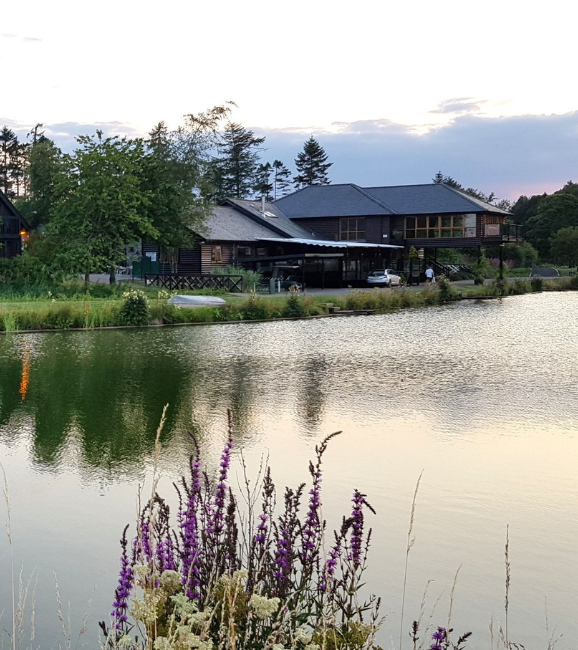
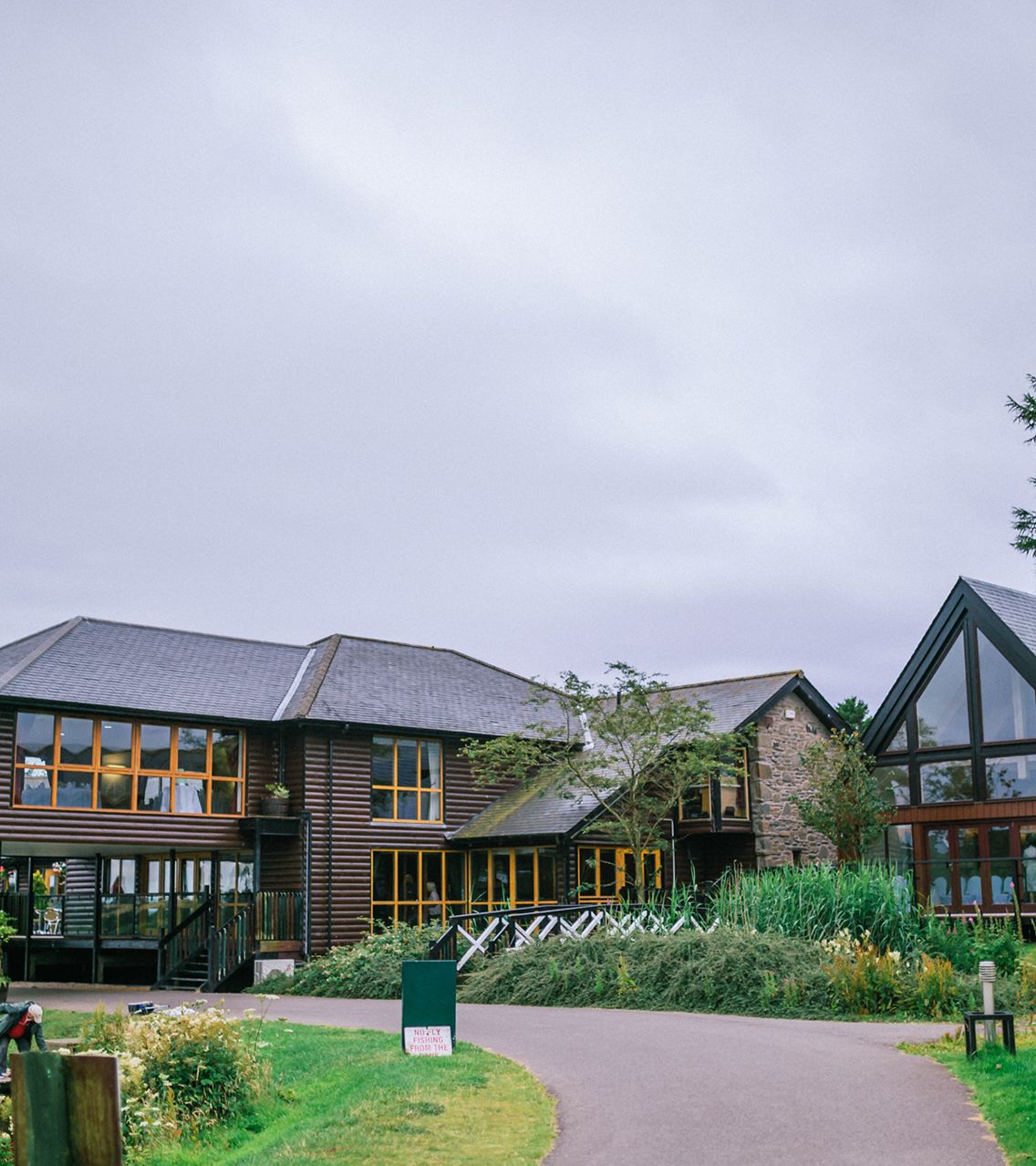
Perfectly placed to explore Scotland’s great outdoors, our Country Resort is a homegrown haven for invigorating getaways and exhilarating adventures. Wake up to sumptuous sunrises and strike out for a summit or two. Breathe in the brisk,refreshing air of the Scottish hills before cosying up in the comfort of your lodge or hut.

Relax in your private hot tub, spot shooting stars and savour a nip of whisky to round up a perfect day in the natural splendour of one of the finest resorts in Scotland. Sleep easy, dream deeply and be ready to do it all again tomorrow.